
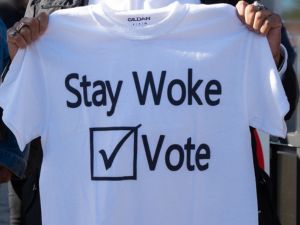
The term ‘woke’ has taken on many meanings. Originally, it referred to being aware of social injustices. Over time, however, it has become a divisive label. Some see it as a movement for equality. Others view it as political overreach. But does attacking wokeness actually fuel racism and sexism? This was the focus of a recent heated debate.
The case for wokeness as social awareness
Many speakers argued that wokeness is about awareness. It helps people recognise injustice and inequality. Historically, marginalised groups have fought for rights, often facing resistance. The push for racial and gender equality, they said, is not an attack—it’s progress.
A key point made was that ‘woke’ has been weaponised. What once meant social consciousness is now portrayed as an insult. One speaker pointed out that diversity, equality, and inclusion (DEI) are essential for a fair society. If people attack these ideas, they may be indirectly undermining efforts to fight racism and sexism.
Another speaker referenced history. Decades ago, being gay was considered a mental disorder. Women were discouraged from leadership roles. Would critics of wokeness prefer to go back to those times?
The argument against wokeness
Others saw wokeness differently. They argued that it forces people into identity categories rather than focusing on shared humanity. Some described it as divisive. Instead of bringing people together, they believe it creates conflict by emphasising differences.
One speaker, referencing French universalism, argued that identity should not define a person’s worth. Instead, ideas and character should. Another noted that DEI policies sometimes lead to ‘positive discrimination.’ This, they argued, is still discrimination, even if well-intended.
A major concern raised was free speech. Some felt that wokeness suppresses open discussion. The fear of being labeled racist or sexist, they argued, makes people afraid to speak their minds.
Does attacking wokeness cause harm?
One of the strongest arguments in favor of the motion came from statistics. Some studies suggest that when anti-woke rhetoric rises, hate crimes also increase. While correlation does not prove causation, this raises concerns. If attacking wokeness emboldens those with racist or sexist views, then it becomes more than just a political stance—it has real-world consequences.
Others, however, argued that criticising wokeness is not the same as promoting discrimination. People can disagree with aspects of the movement without being bigots. The problem, they said, is that ‘woke’ is an ever-changing term. What is considered progressive today may be seen as outdated tomorrow.
The verdict: a divided audience
In the end, the room was split. Some believed that attacking wokeness does fuel racism and sexism. Others thought it was just a critique of political overreach. After a final vote, the motion carried—most agreed that opposing wokeness risks reinforcing discrimination.
Final thoughts about attacking wokeness
The debate revealed a key takeaway: definitions matter. ‘Woke’ means different things to different people. To some, it represents justice. To others, it’s a political tool. The challenge is finding a way to fight discrimination without stifling free speech.
Please see summaries of earlier Sylvan debates here.
For more information about how our meetings run, see meeting info.