
The affording Net Zero debate considered the following motion:
This house believes we cannot afford Net Zero.
The debate took place on Monday 12th May. Peter Hulme Cross proposed the motion and Vicky Griffiths opposed it.
The proposition arguing we cannot afford to reach net-zero carbon emissions
The proposer opened by strongly questioning the point of reaching Net Zero – the UK represents less than 1% of carbon emissions globally! We have wind, and in London many cars – electric cars are twice as heavy, leading to particulate pollution from tyre wear, just as toxic. We have gas boilers, and heat pumps require good insulation and extensive retro-fitting, they would triple the electricity bill. Hydrogen, expensive to produce, would leak out of the pipes. We need reliable, cheap electricity – currently it costs 5x the USA and 2x the EU here. We should drill for more gas, as green subsidies make up 40% of the electricity bill. While we have oil and tax it to death, Norway sells it. My solar panels provide 3x the energy in the summer, when I don’t need it, and have a 14 year payback period!
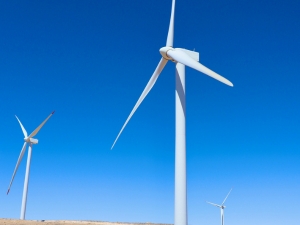
We don’t produce wind turbines, they require rare earths which we don’t have, making investment imprudent. After a 25 year life cycle they need replacing. Ed Miliband wants to spend £55 billion on doubling our wind capacity. Yet the National Grid cannot handle this and requires £60 billion in upgrades. Spain and Portugal recently had a complete power blackout, and it just so happens that 90% of their energy at the time came from renewables. A cascade failure due to AC power varying from its normal 50hz caused this, more likely to occur with renewables. Wind and solar power is inherently unstable, and blackouts will be more likely. We have rising crime that we cannot afford to fix, and the Chancellor cites a ‘black hole’ in the finances. Affording Net Zero costs of £115 billion to pat ourselves on the back, what’s the point – we have other priorities.
The opposition against the affording Net Zero motion
The opposer defined Net Zero as balancing carbon emissions with removal. We hear scare stories about it leading to higher costs and economic decline. Yet we face an existential crisis, with the cost of inaction far greater. Climate change has already led to big losses, and we should not rip up the Paris agreement. What should we offer to future generations? We can afford it, and need it to thrive. Saving the initial investment and fossil fuel jobs is a short-termist view. We need stability, and while £50 billion is huge, it represents less than 0.5% of GDP. We already have 22,800 Net Zero businesses, most of them SMEs. Green energy drives Foreign Direct Investment, and today’s costs are due to Putin’s war in Ukraine. We need stability and resilience, which will reduce bills.
Climate change will cause many deaths across the world, while Net Zero will drive growth and 950,000 jobs. Of course we will lose some jobs, that green jobs will replace. The closing of the Redcar steel plant reduced pollution. Farmers can work around wind turbines. My village in Kent won’t exist in 150 years due to coastal erosion. Diesel and petrol make asthma and COPD worse, and there are cleaner alternatives. We cannot afford to sit on our hands and let climate change happen, for instance in Vietnam, where salt water incursion drives up the cost of producing rice. China contributes hugely to carbon emissions, but signed the Paris agreement and have increased spending on clean power by 10x. Their coal use continues to grow but will peak.
The UK has a debt due to past emissions, and emits more than our population’s share today. We can’t stop affording Net Zero now, and while it won’t be easy, not much that is easy is worth doing. In China they say the best time to plant a tree was 20 years ago, and the second best is today.
Floor speeches from the audience of the debate
The world had warmer temperatures in Roman times than it does now, and we did not have thermometers until the 1600s. Vinyards existed up to Hull in those days, and while vinyards have crept northwards, they have not gone past Hull. We will get back to Roman temps, not a big problem given our cool overall climate. We should not make our existing, working electricity grid worthless. Yet the proposition would stick with fossil fuels. Churchill switched the Navy from coal to oil, making us dependent on imports. The cost of those imports dwarfs the £115 billion of investments required for green power, and we need to produce energy here. AI will increasingly require more compute power to stay ahead in that race, and social spending will face further constraints. Not investing represents a false economy.
Floor speeches continued
Household solar panels that last 25-30 years and have a 14 year payback period represent a good investment. Increasing frequency and impact of natural disasters drives up insurance costs and business disruption. Oil and gas have a finite lifespan, circa 50 years for oil, and we need a new source of energy. Why would we race to be the second and not the first – the UK was a pioneer and could end up as a follower. The opposition took a national and global view, rather than a selfish view of individuals in Britain. We should prioritise jobs – and need critical thinking, not politics. In South Africa they have ‘load shedding’, i.e. rolling blackouts, because they didn’t invest in infrastructure. We need the political will to take the hard decision to make short-term sacrifices to invest.
More floor speeches
Yet governments don’t usually do it without political will, and the UK population haven’t exactly been jumping up and down for Net Zero. Theresa May committed to it, judging that the then estimated net cost of 1.3% of GDP represented value for money. The current estimate of the cost stands at less than 1%. Green tech continues to get cheaper, and while 1% of GDP is a lot, it comes with other benefits including replacing the limited fossil fuels and energy sustainability. EV car batteries will get lighter. We spend 2.3-2.5% of GDP on the military. While we have to import wind turbines, the UK’s extensive wind should mean that buying them from the global market will give us one of the highest returns on that investment. We need a good return given our debt to GDP ratio of 100%.
The opposer’s rebuttal
The hideous expense of Net Zero will be worth it, humans need to be #1. We need to retrain workers, such as pit miners, saving jobs and creating sustainable alternatives. The UK has the 6th-largest economy, we have significant influence. EVs and solar panels provide an economic opportunity, and yes we need to invest to fix the power grid. Power will be cheaper, particularly with solar panels lasting the lifetime of a house. This debate centres on the future of the human race, and the planet. We should focus on hope and embrace and grab the change.
The proposer’s closing speech
We have heard from starry-eyed optimists tonight, perhaps they have imbibed magic mushrooms! Wind and solar power are inherently unstable, yet the government’s policy and propaganda are all about them. Bills will come down? The Hornsea 4 wind farm, one of the largest planned, has been cancelled due to the company wanting a higher price for the power generated. We represent 0.88% of global emissions yet bother on about climate change. India burns one million tonnes of coal a day, and China’s usage has risen. We emit less than Australia and South Africa. The best backup power, begrudgingly, is nuclear. Mini reactors would dig us out of the hole, yet Canada beat us to it and France has 43 reactors. Our government dragged their feet. We can’t afford it anyway, with 100% of GDP worth of debt, bordering on bankrupt. We have low growth, low productivity and high debt.
Result: the affording Net Zero debate motion did not carry
In the final vote, the Sylvans concluded through the debate that we can afford Net Zero carbon emissions.
Please see summaries of earlier Sylvan debates here.
For more information about how our meetings run, see meeting info.